

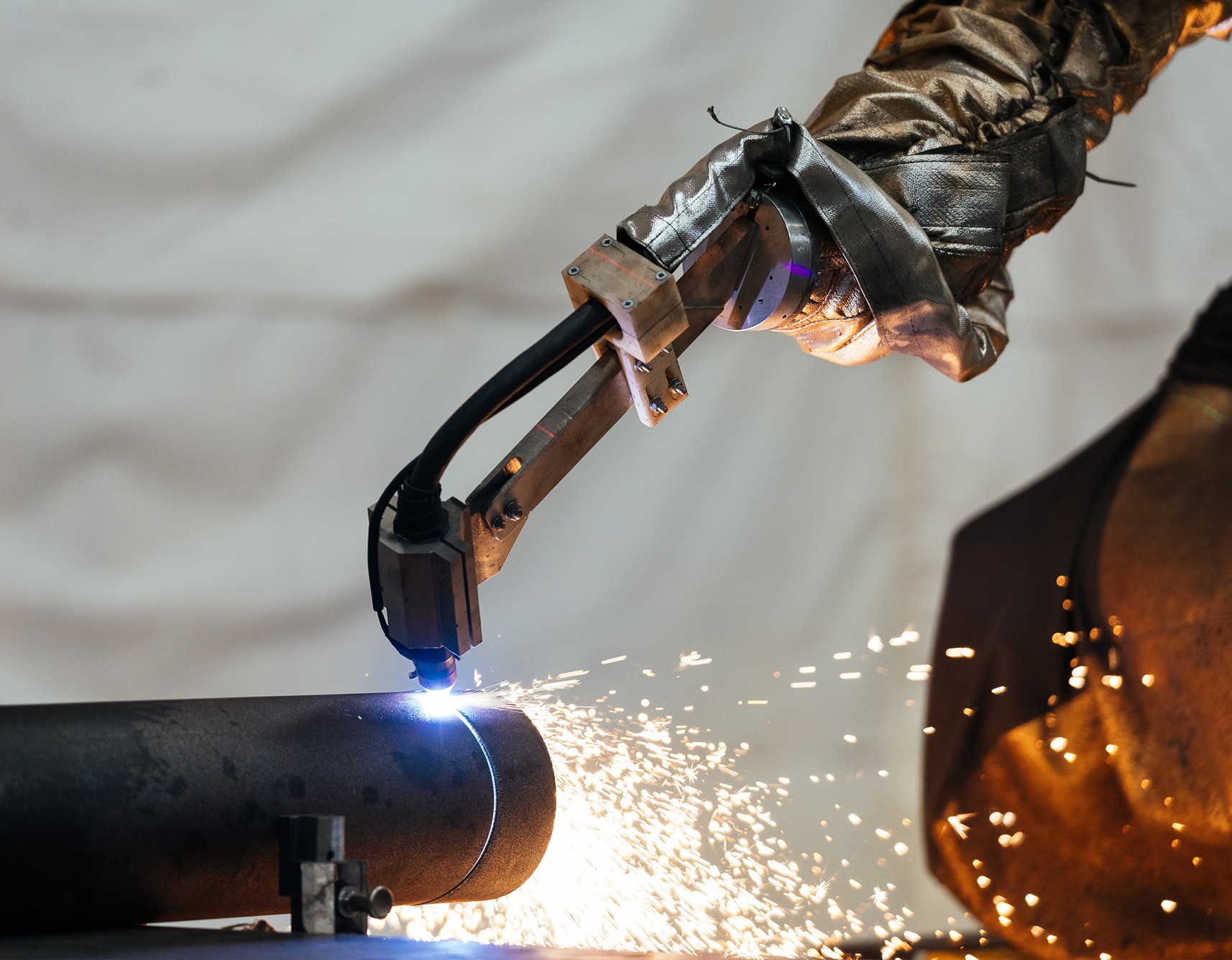
How to Prepare a Production Plant for a Photo and Film Shoot
Planning a shoot at your factory but worried about downtime? See how to prepare your production hall and staff for business photography, step by step.
How to prepare a production plant for a photo and film shoot
The hall doesn't need to look like a lab on shoot day. It needs to show what actually works in your production: scale, people, process, and the order a client wants to see before sending an enquiry.
A good shoot doesn't stop the factory. It fits its rhythm. You save the most time not with last-minute cleaning, but with a short plan: what we show, when each process looks best, and who makes decisions on site. Here's a practical checklist so a production shoot doesn't turn into a full-day walk-through with no purpose.
Why professional industrial photography is an investment, not a cost
A B2B client often can't walk the floor before the first conversation. Photos do that job. They show whether the company has the capacity, people, and processes needed to deliver. Well-prepared material closes the gap between what your offer promises and proof you can deliver.
Professional industrial photography then works across your website, sales deck, catalogue, job ads, social media, and partner materials. One focused shoot day can feed communication for months. This isn't the cost of "nice pictures". It's building your own library of sales arguments.
In Silesia, industrial photography has an extra advantage: plants, subcontractors, and teams are close together. For companies planning industrial shoots in Tychy or nearby cities, that means easier site visits, several production areas in one day, and a quick return if a process stage was missed.
Choosing the date: when to shoot on the floor?
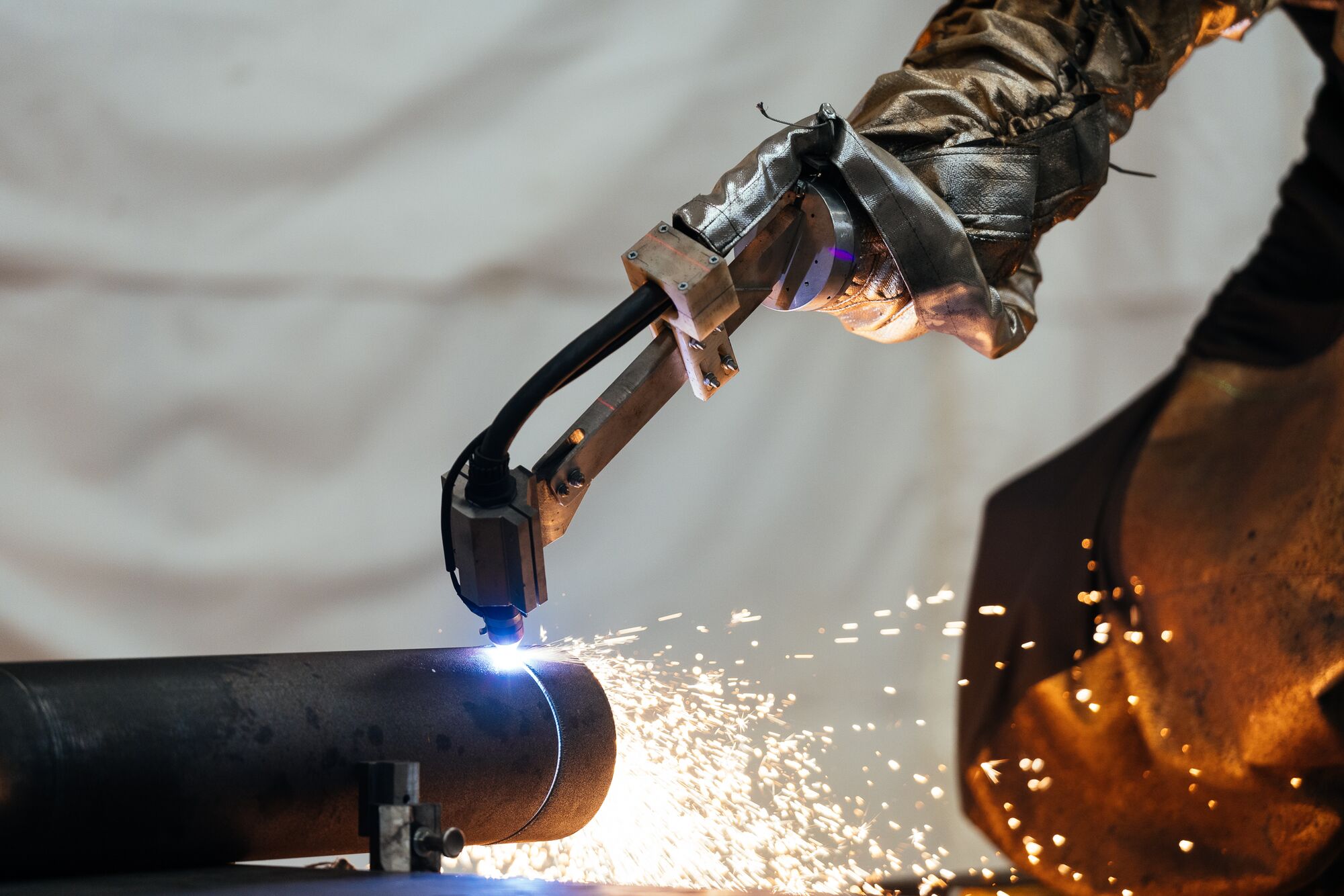
Don't start with a date. Start with the process you want in the pictures. If your key line only runs on second shift, an 8 a.m. shoot makes no sense. If shipping happens on Thursdays, that's when you show the scale of finished orders. The date should follow what you want to prove to your audience.
Map a simple route: entrance and briefing, main hall, key process, quality control, warehouse, loading, team or management. At each stop you need one responsible person and a rough time. No forty-slide presentation. One sheet usually works better.
Check shift patterns, machine service, deliveries, planned downtime, and peak activity in advance. Sometimes the best frames come during normal production. Sometimes a twenty-minute window is worth using to safely enter a spot that's off-limits while the line runs.
If the facade, yard, or loading area matter too, factor in time of day and weather. The plant interior has its own rhythm; exterior shots don't. A good plan keeps a backup: if it rains, start with people and processes under the roof.
Health and safety during a plant shoot
Before entering the floor, the photographer should know your plant rules: required PPE, restricted zones, pedestrian routes, warning signals, and procedures at machines. "Be careful" isn't enough. Production comes first; the person with a camera is a guest in a live system.
Assign a company-side production contact. Ideally someone who knows the floor and can quickly confirm whether entering a zone is safe. They don't need to follow the crew every minute, but they must be reachable and able to make real decisions.
Before the shoot, list restricted areas and elements that must not be published: screens, documents, supplier markings, prototypes, or data visible on boards. Better to agree this before shooting than discover problems at approval.
A photographer for a manufacturing company should work without blocking operators or asking for risky repeats. If a movement can only be shown from a no-go zone, we find another angle. A photo is never more important than plant rules.
Cleaning and organising space — what the lens sees
You don't need to repaint the hall before a shoot. Remove accidental clutter that hides the real subject. An empty bottle by a workstation, a box leaning on a machine, tangled cables, or a pallet in a walkway can steal attention. The image is ruthless about details we stop noticing day to day.
Walk the planned route a day ahead and look at it through a client's eyes. Is it clear where the process starts? Does the station look ready to work? Are labels readable? Is there something in the foreground that doesn't belong in the story?
Priorities are simple: clear walkways, tidy stations, clean work surfaces, waste and personal items put away, up-to-date signage. Machines don't need to look new. Signs of real work are credible — as long as they don't read as neglect.
When someone asks how to prepare a hall for photos, I say: don't erase the character of the place. Reveal it. Good industrial photography in Silesia isn't pretending to be another plant — it's showing clearly what you already do well.
Preparing staff for photos and video
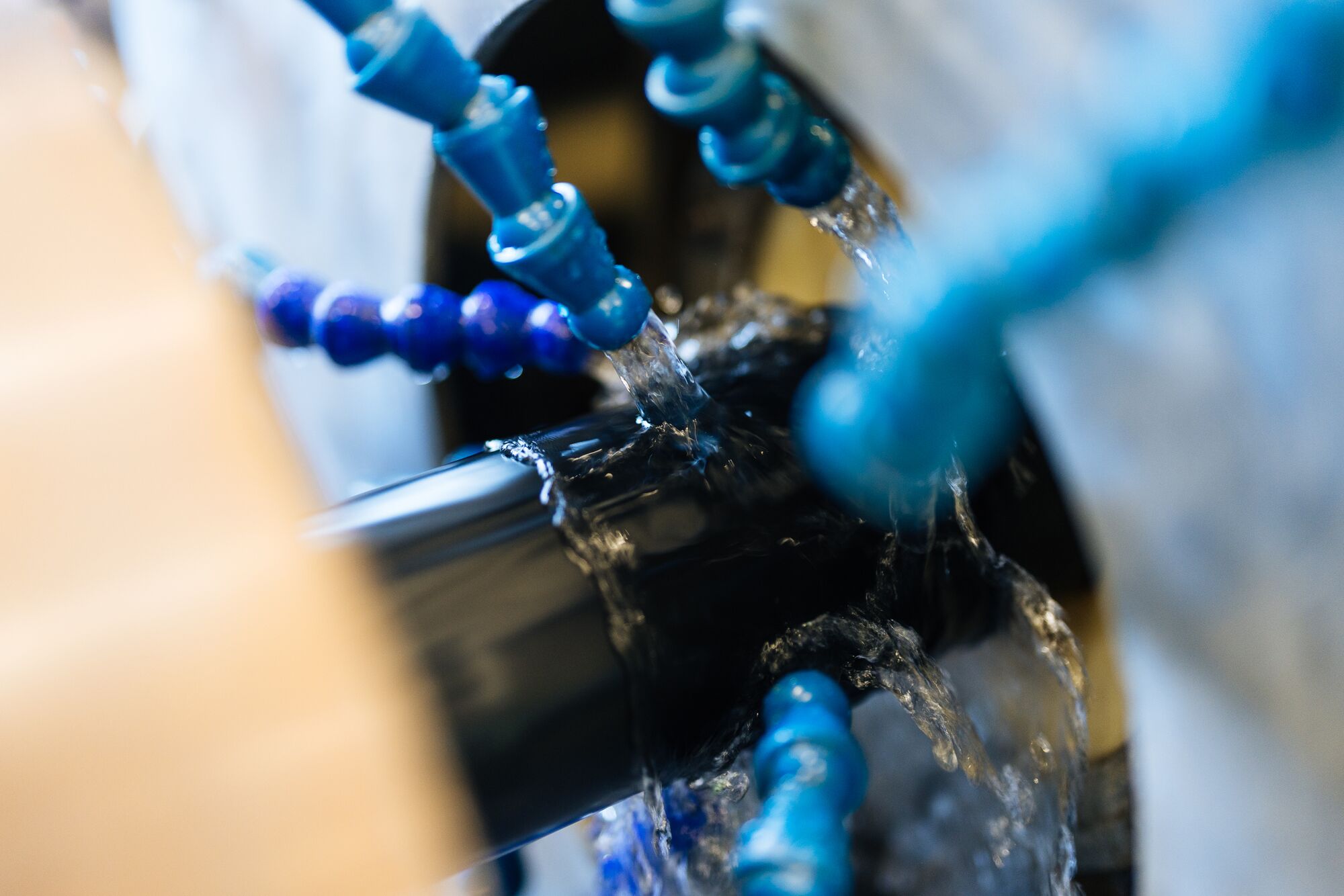
The crew should know about the shoot in advance: why the material is being made, where it will be used, when the team works, and who to ask. A short message from a supervisor is usually enough. Surprising someone at their station with a camera doesn't create naturalness — it creates tension.
Ensure clean, compliant workwear and complete protective gear. Don't dress everyone identically for the shoot if they don't work that way daily. Consistency is good. Fakeness shows up fast on camera.
The best scenes come from real work. An operator doesn't need to look at the camera or perform gestures they never use. Pick a process, give them a moment to get used to the crew, and don't bark five instructions at once.
Sort image-use consent according to company policy in advance. If some people don't want to be photographed, flag that before work starts. Team or management portraits can be planned as a separate short block and linked with material on business photography.
Photos or industrial film — what works better for your company?
Photos are quick to read and easy to reuse across formats. They show hall scale, craft detail, people at work, and finished product. Use them wherever the viewer needs to stop, look, and grasp a clear message.
Film shows sequence, pace, and dependencies. If your edge is process flow, automation, precise assembly, or a product moving through several stations, motion tells that better than a single frame. Industrial film for B2B works on your site, at trade shows, in sales decks, and in recruitment.
The most practical approach is often both formats in one shoot. The hall is prepared once, staff get one message, and the company receives a consistent set of photos and material for industrial film. Scope must be agreed early — film needs more repeats and sound or interview capture.
Choose based on where you'll publish. A new website and catalogue need strong stills. A trade-show screen needs motion. A recruitment campaign may need both. List uses first, then format — not the other way around.
Summary: a good plan is the foundation of a successful shoot
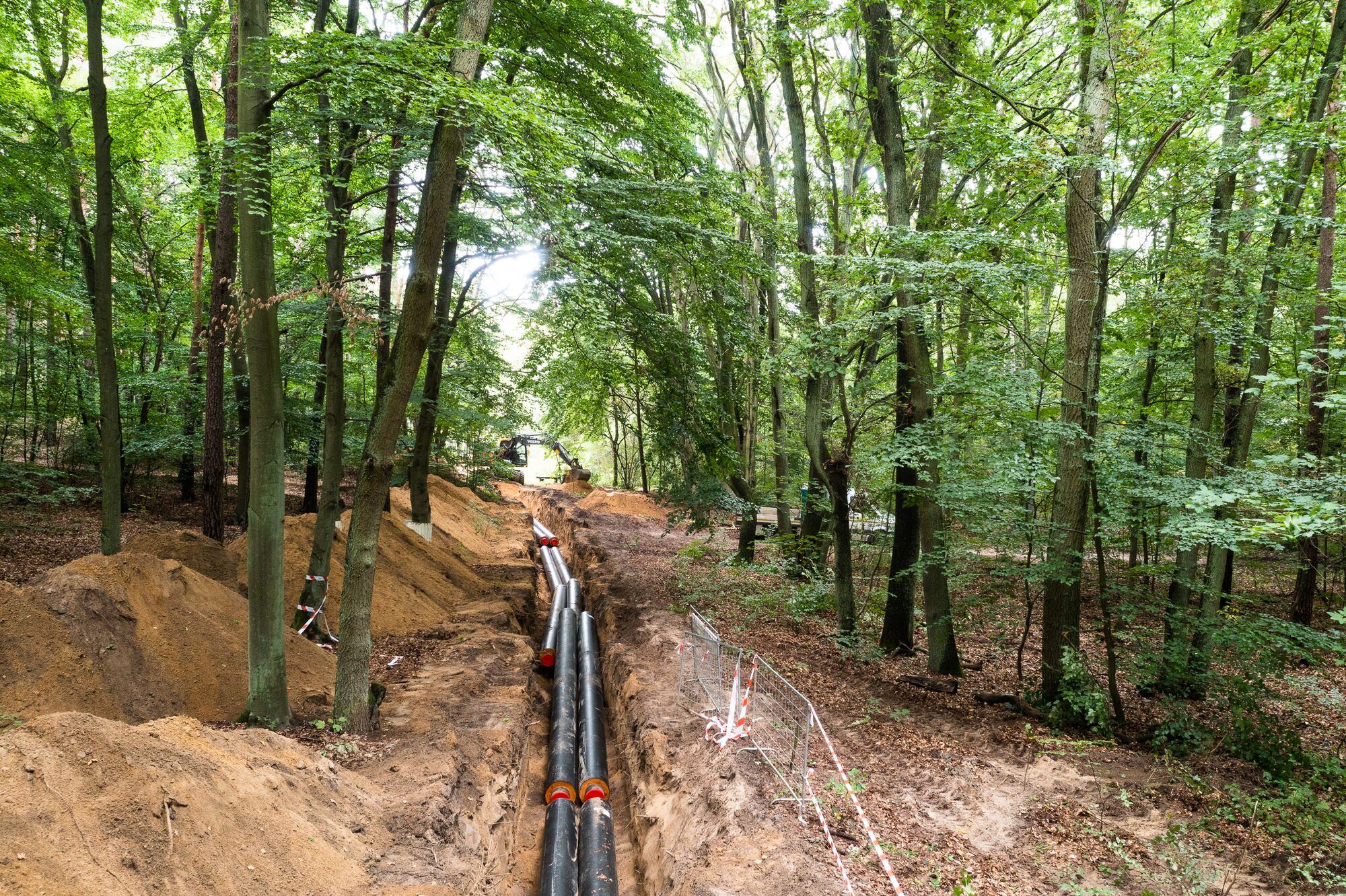
Preparing a plant doesn't have to take weeks. You need: a clear goal, a list of key processes, the right shift, a company-side contact, H&S rules, a tidy route, and early notice for staff. The rest can be refined on site.
If industrial photography in Silesia interests you, let's start with a short conversation about what the material should sell or explain. You don't need a shot count or a finished script. Point to the audience, the use, and the process you're proud of. Write via contact — we'll plan the shoot so production can keep doing its job.
Common questions before a shoot
Will a photo shoot stop production? No. The shoot can follow the rhythm of machines and people, working in stages and using natural breaks. What matters is advance planning and someone coordinating access to each zone.
How long does a photo shoot in a production plant take? Usually 4 to 8 hours. Time depends on hall size, number of processes, distance between areas, and whether video is being captured at the same time.
Do employees have to pose for photos? No. They look best during real work. Sometimes I only ask for a calm repeat of an action or a brief pause in a safe spot so the scene reads clearly. No theatrical faces or fake production.