

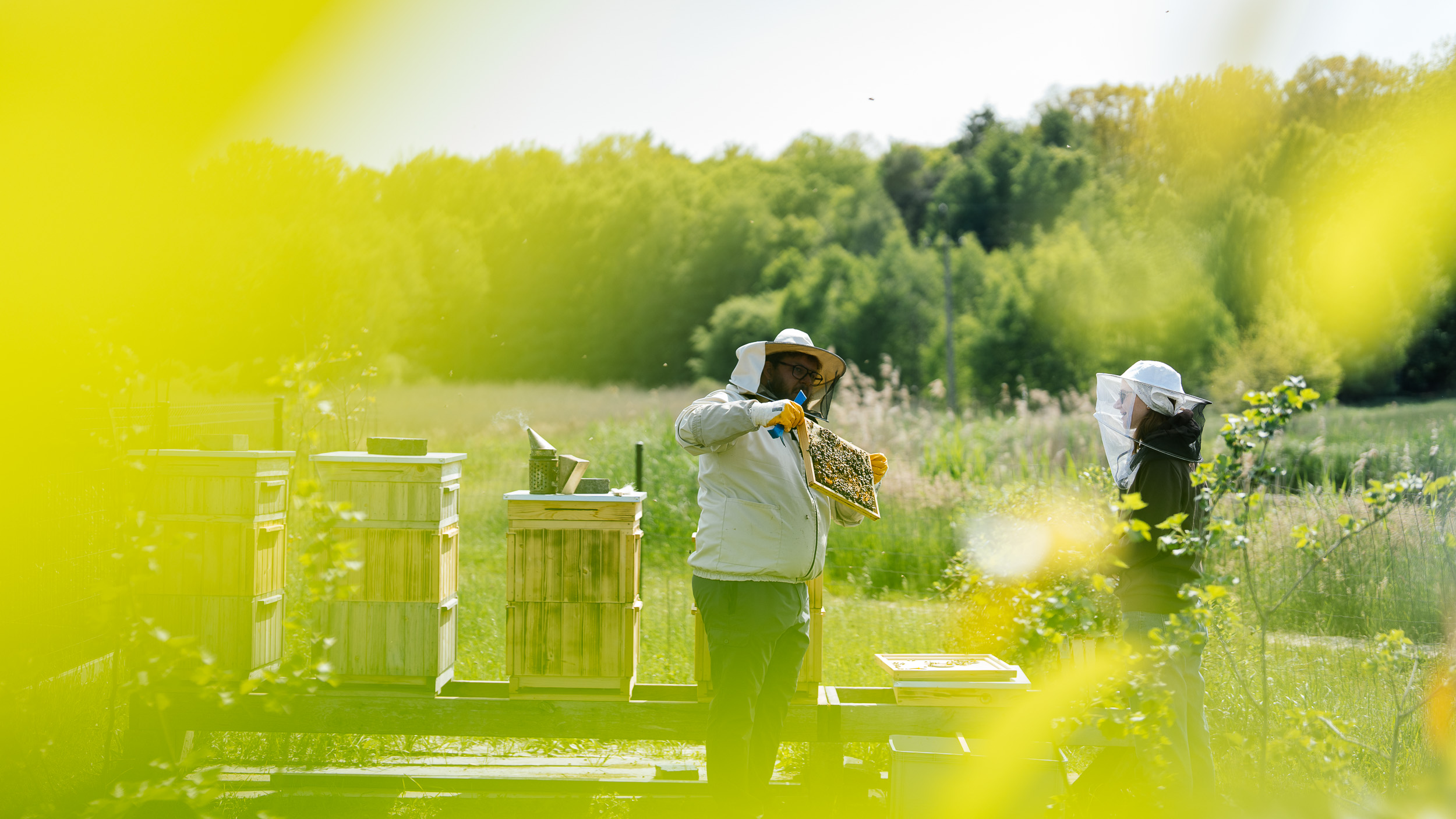
Honey Harvest in Palowice — Photo Reportage
Join me for an unforgettable honey harvest in charming Palowice. This picturesque village hosts a unique event I had the pleasure of documenting thanks to a passionate beekeeper.
Honey harvest in Palowice.
Join me for an unforgettable honey harvest in charming Palowice. This picturesque village hosts a unique event I had the pleasure of documenting thanks to a passionate beekeeper.
During the harvest I learned fascinating things about bees and honey. Bees don't just give us delicious nectar — they play a key role in pollinating plants, which lets us enjoy abundant crops.

What does a honey harvest look like?
Honey harvest is the process of collecting honey from a hive. It usually happens at the end of the nectar season, when bees have enough stores for winter. Timing depends on climate and nectar plants in the area.
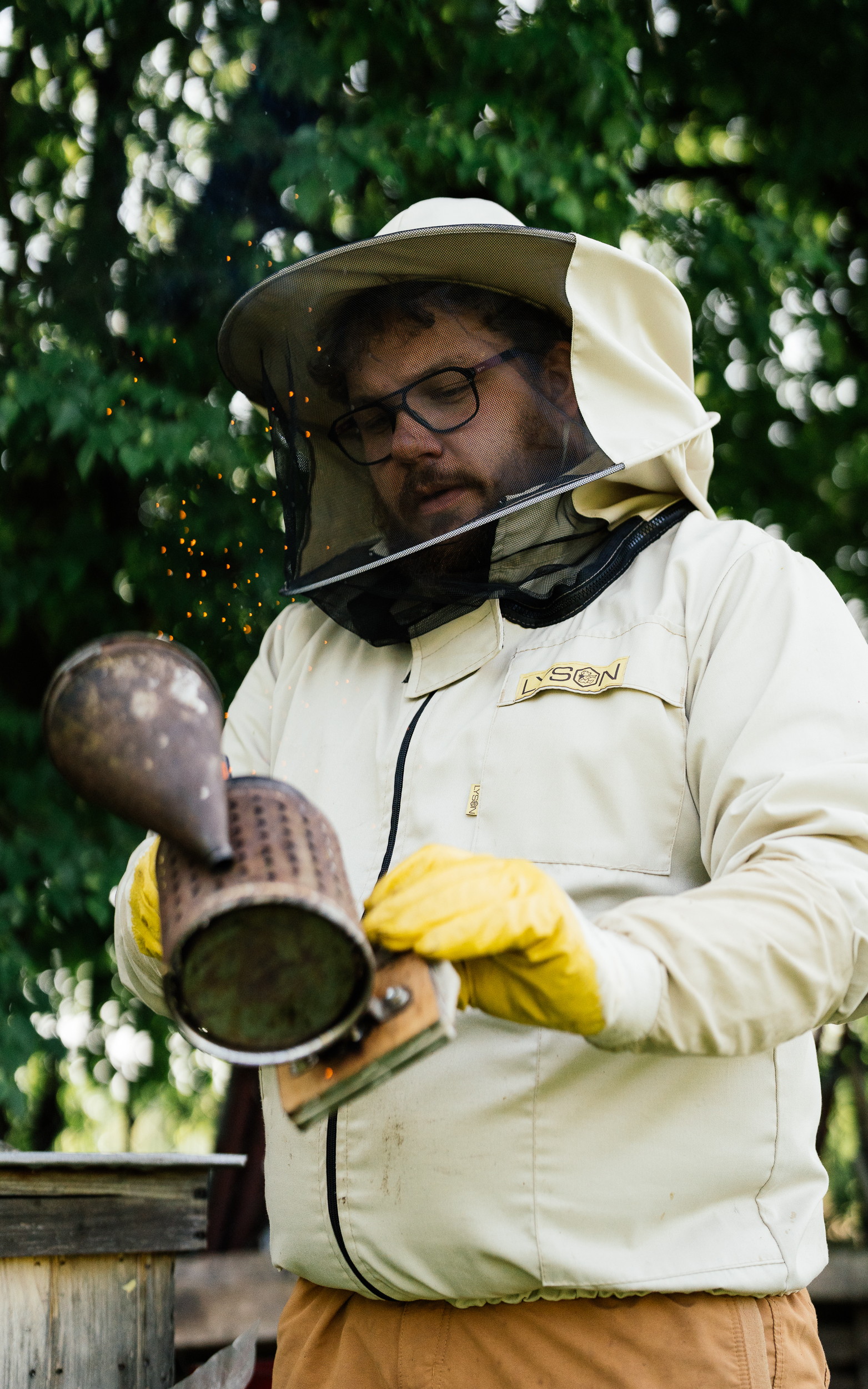
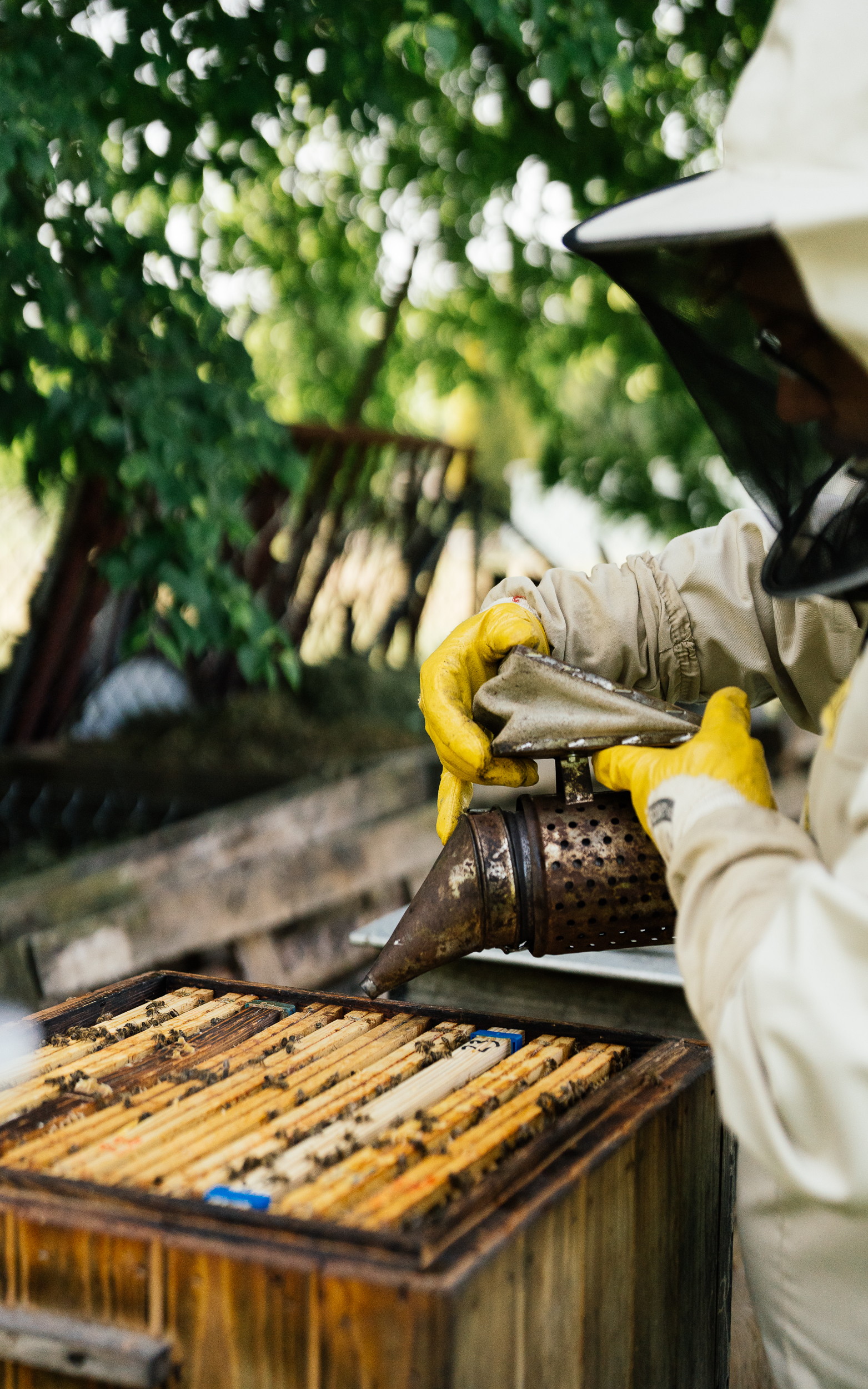
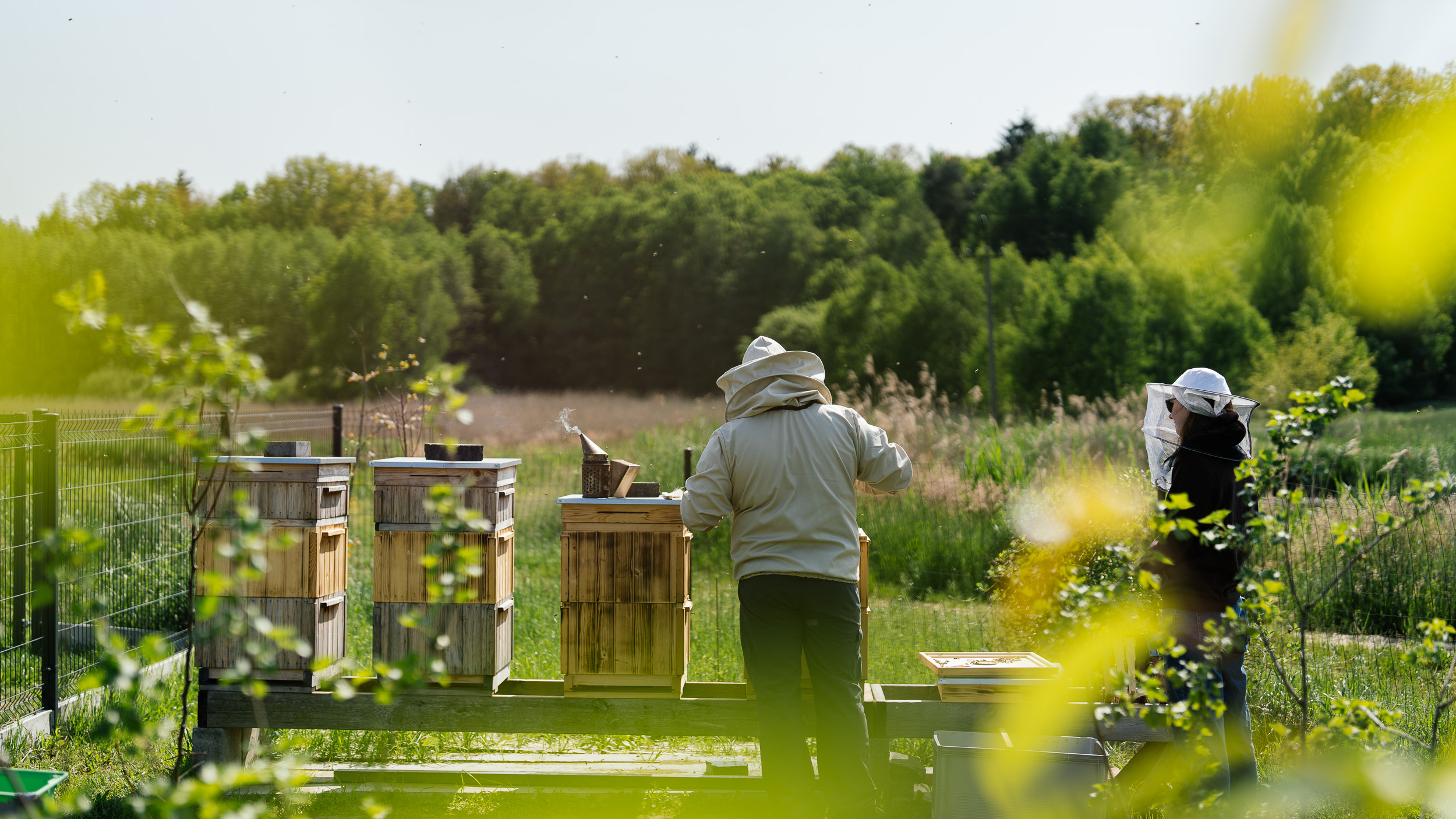
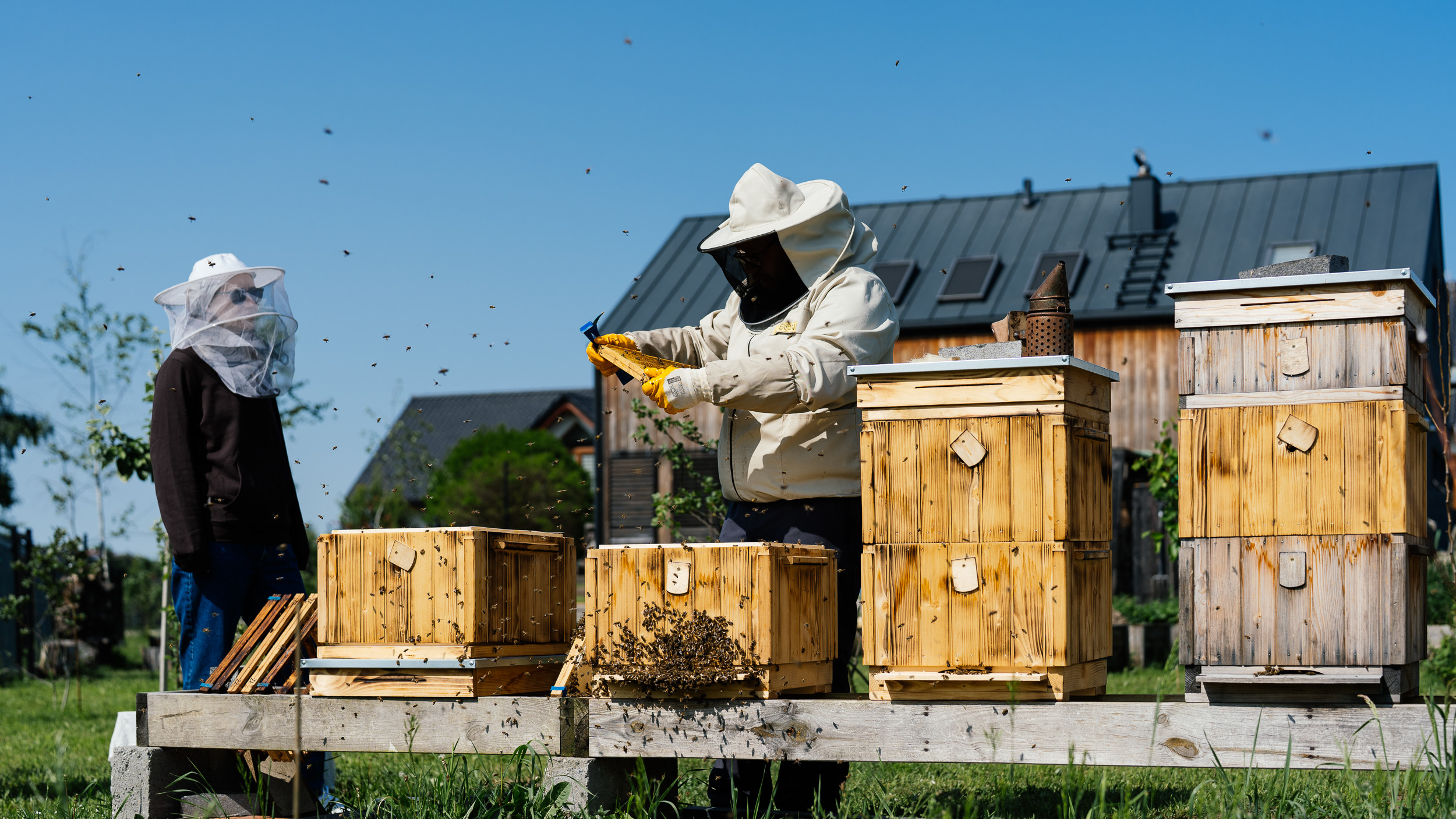
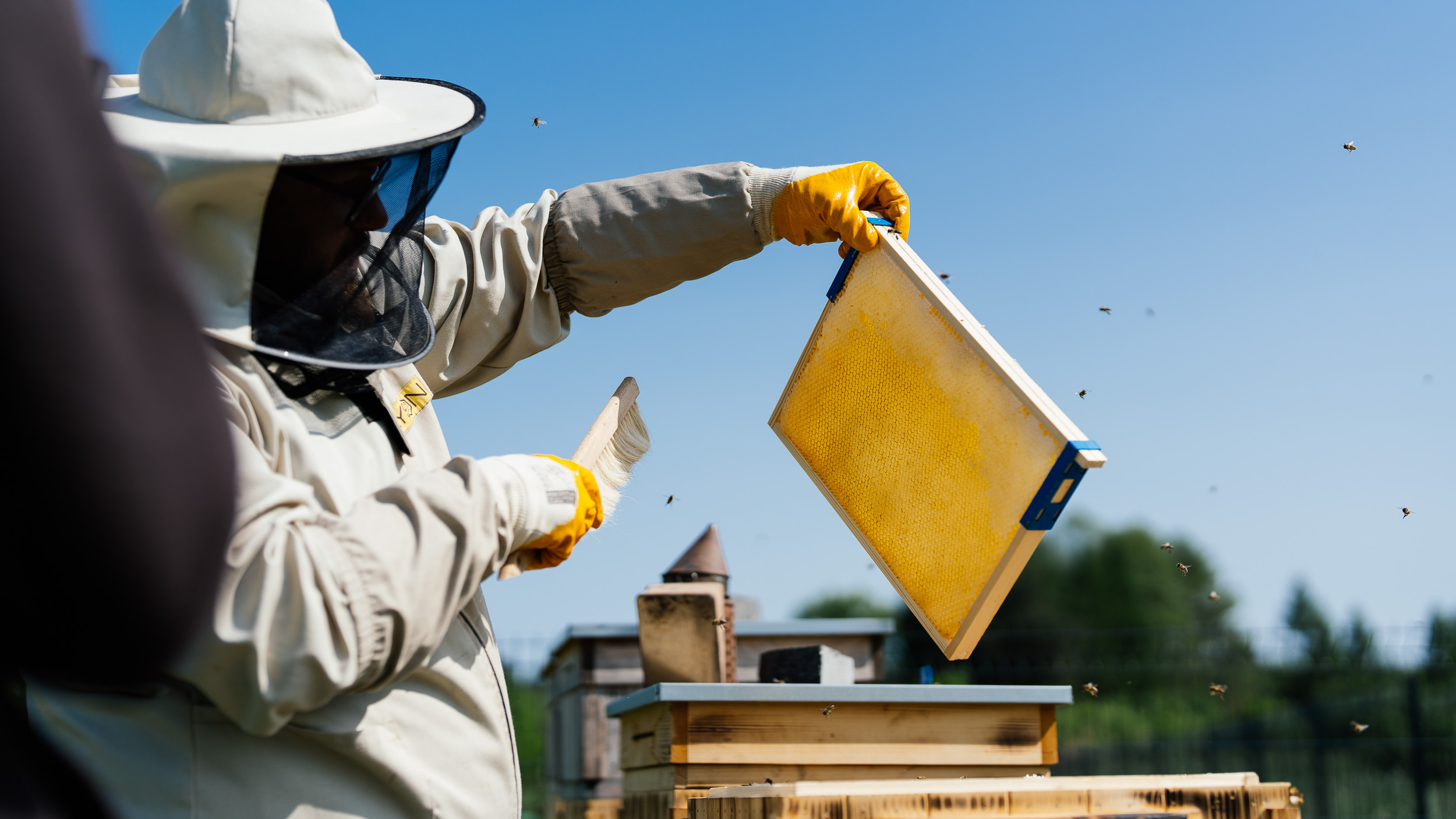
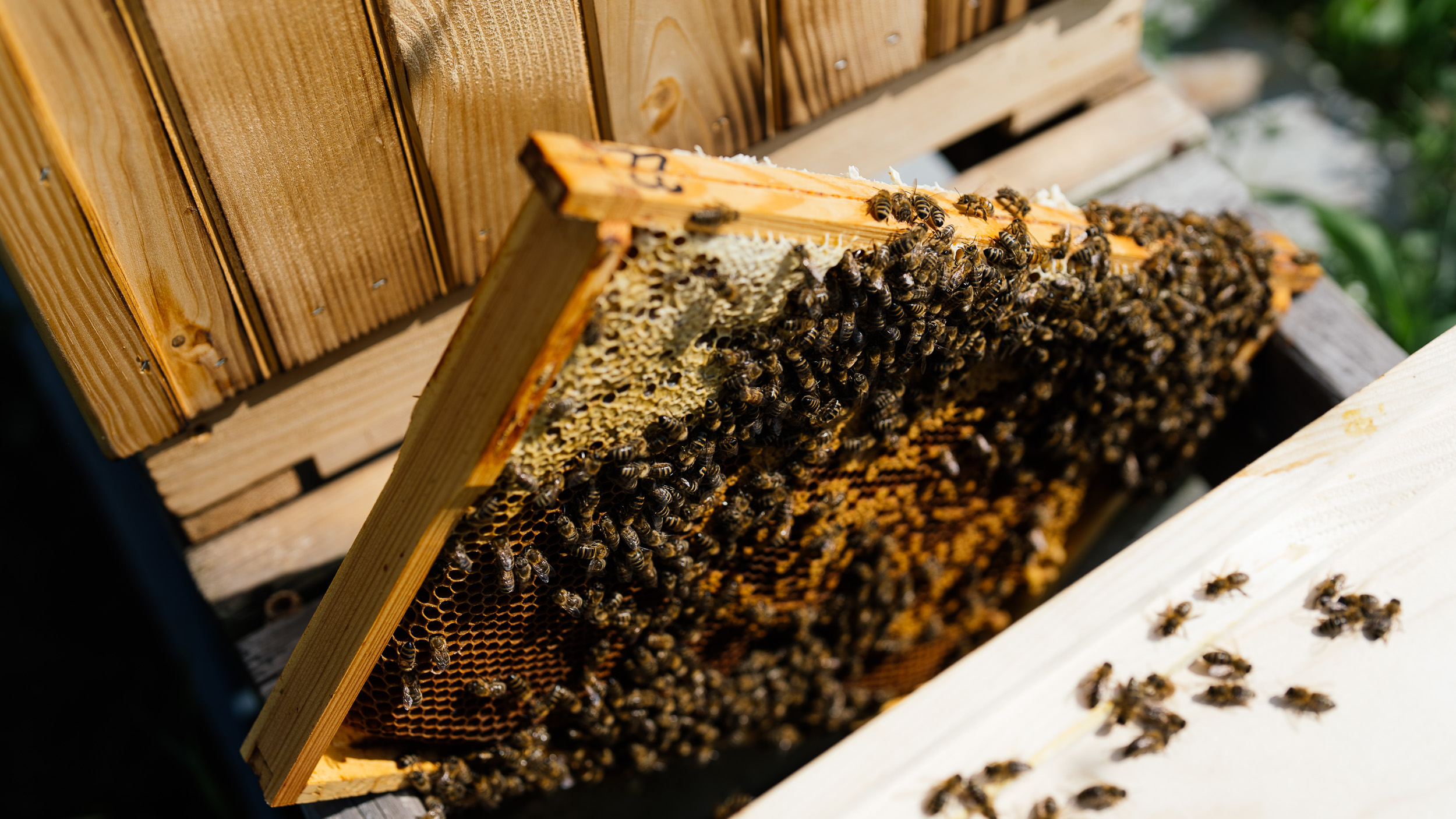
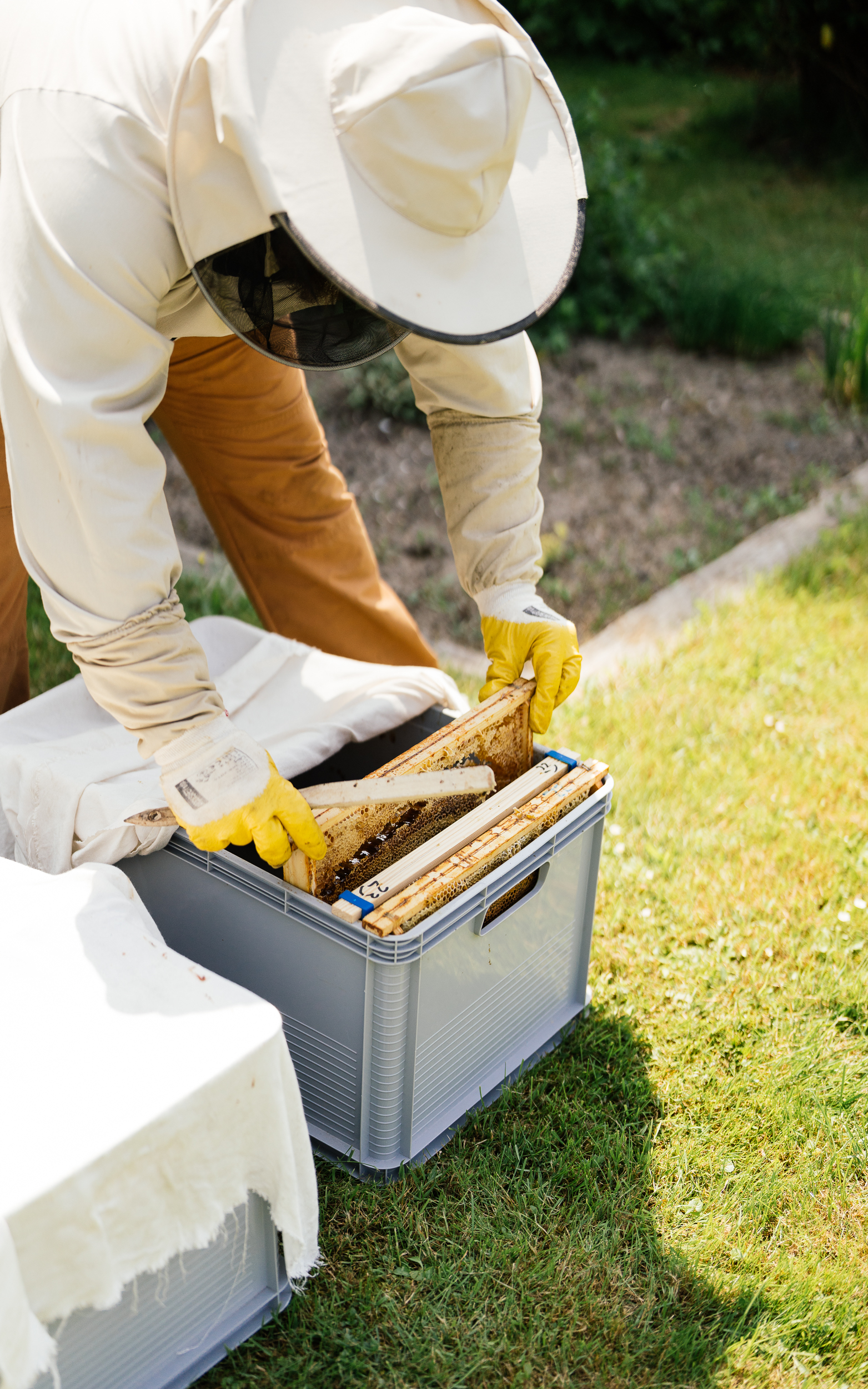
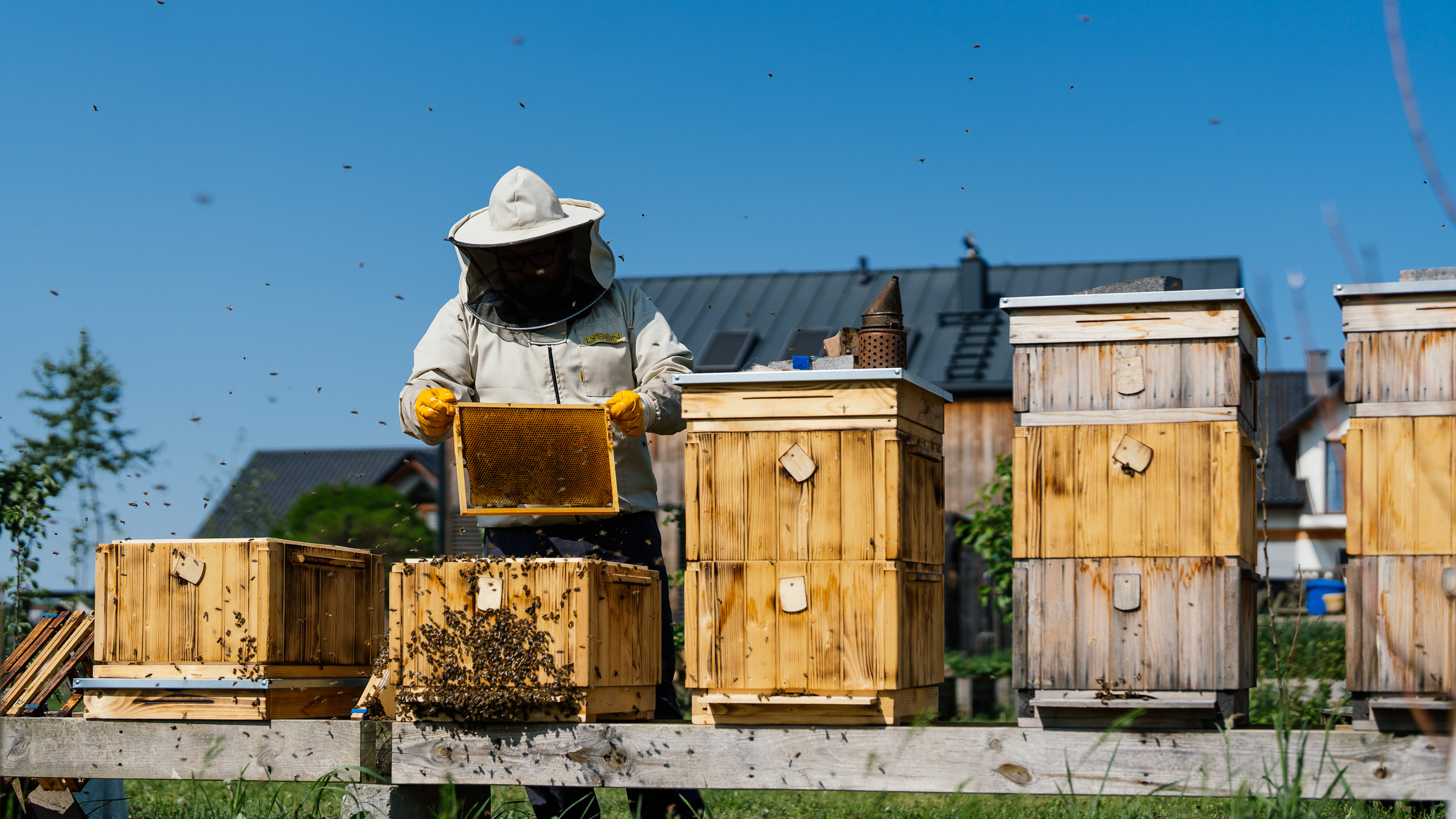
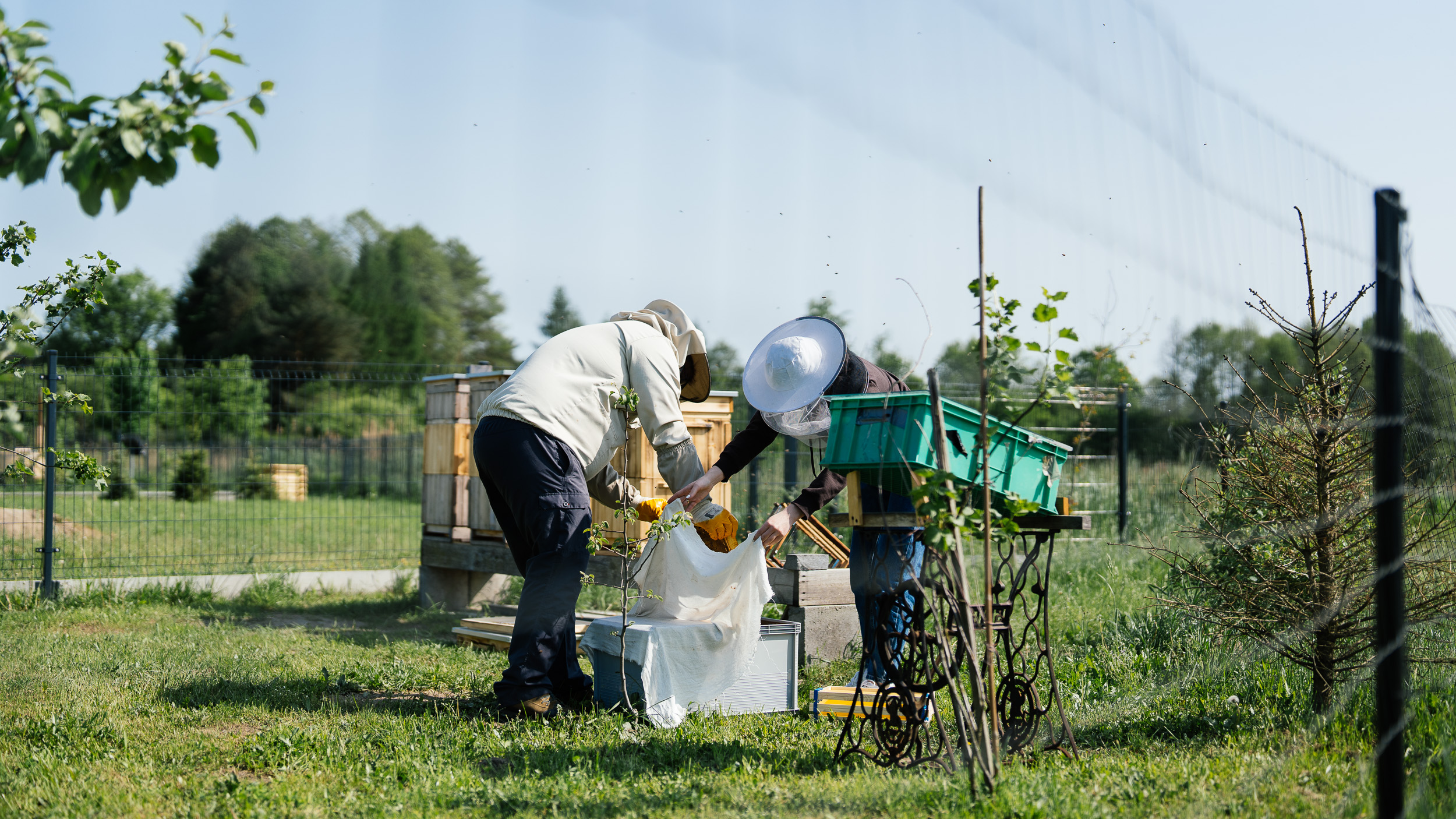
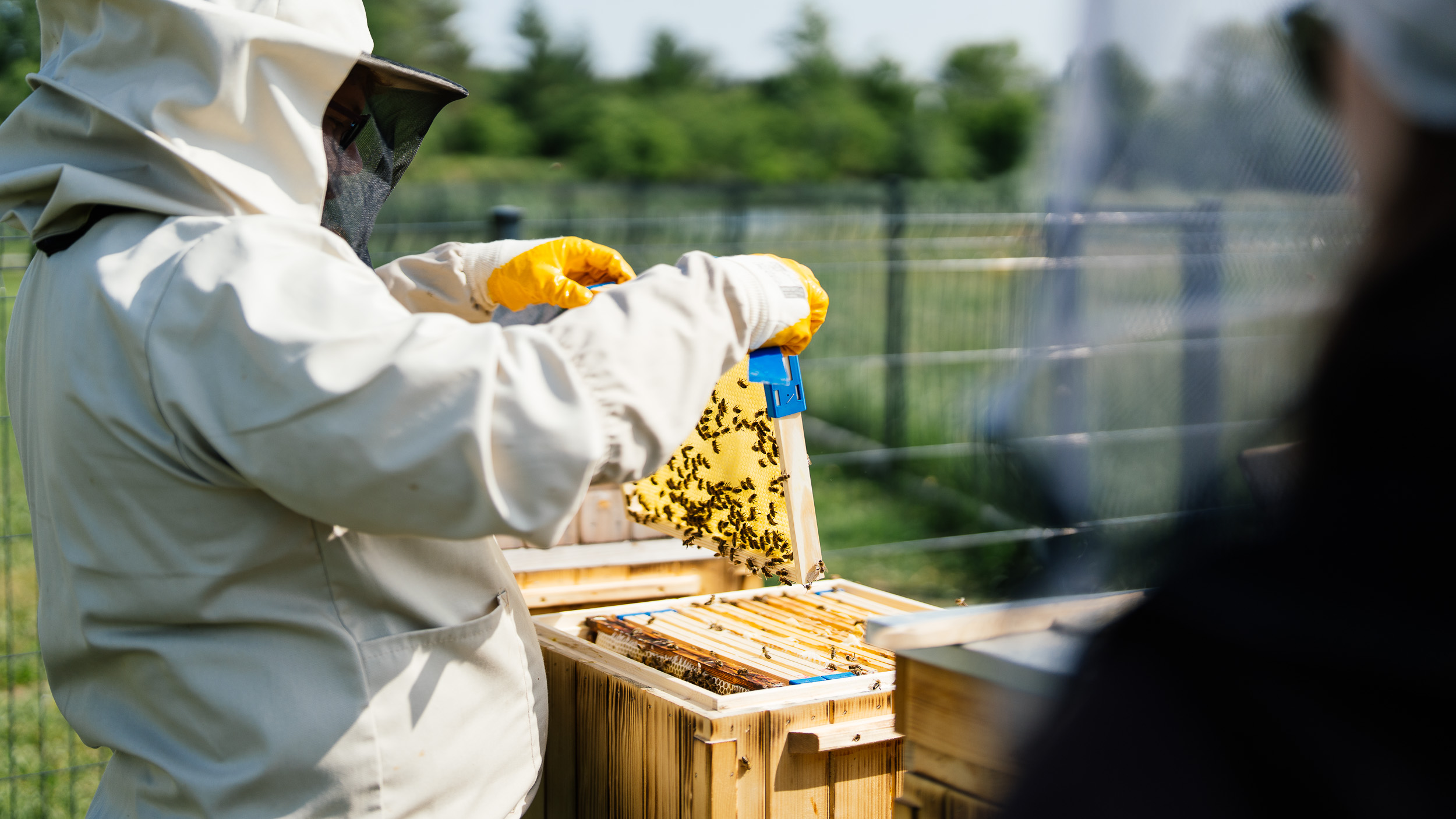
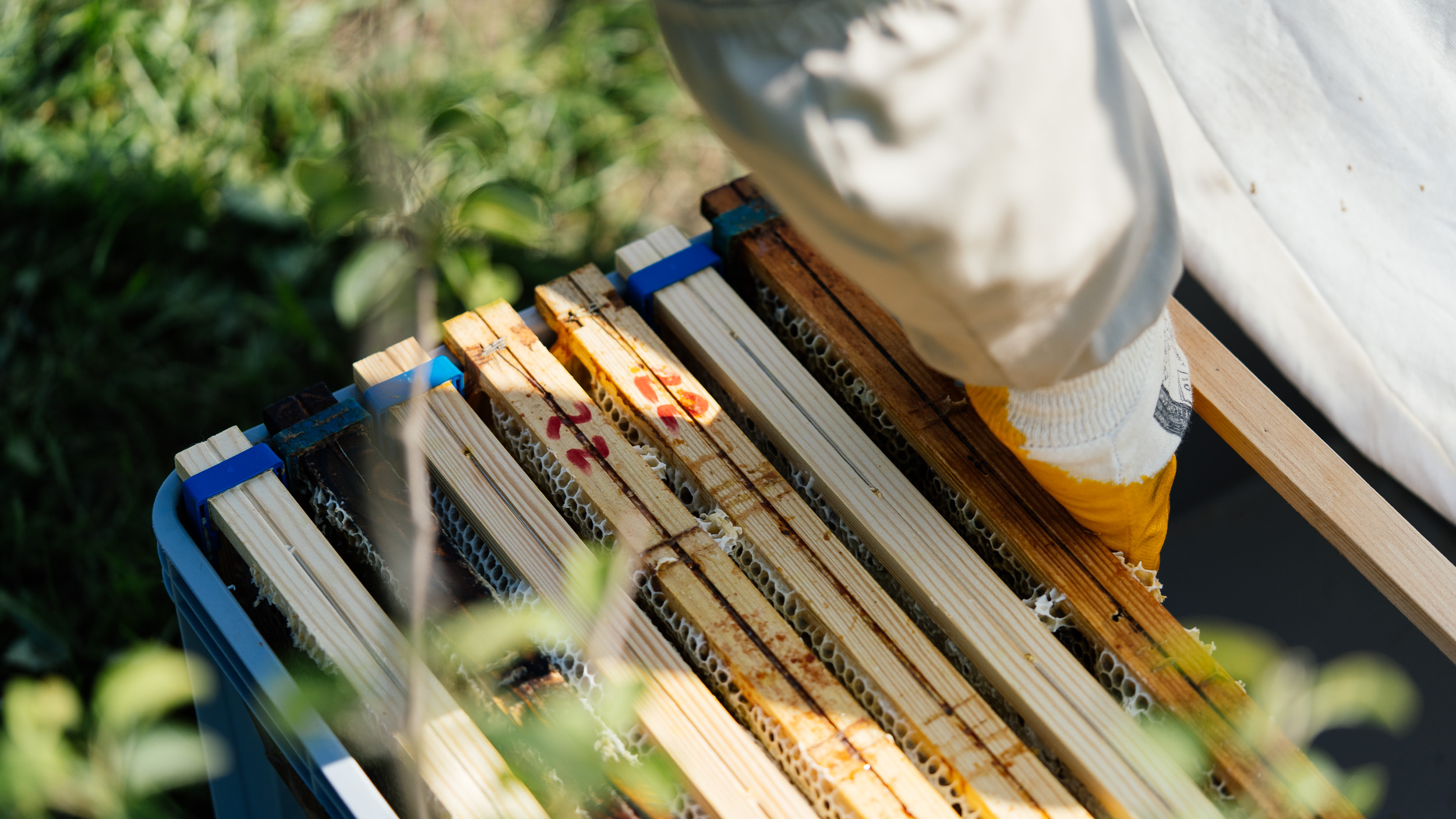
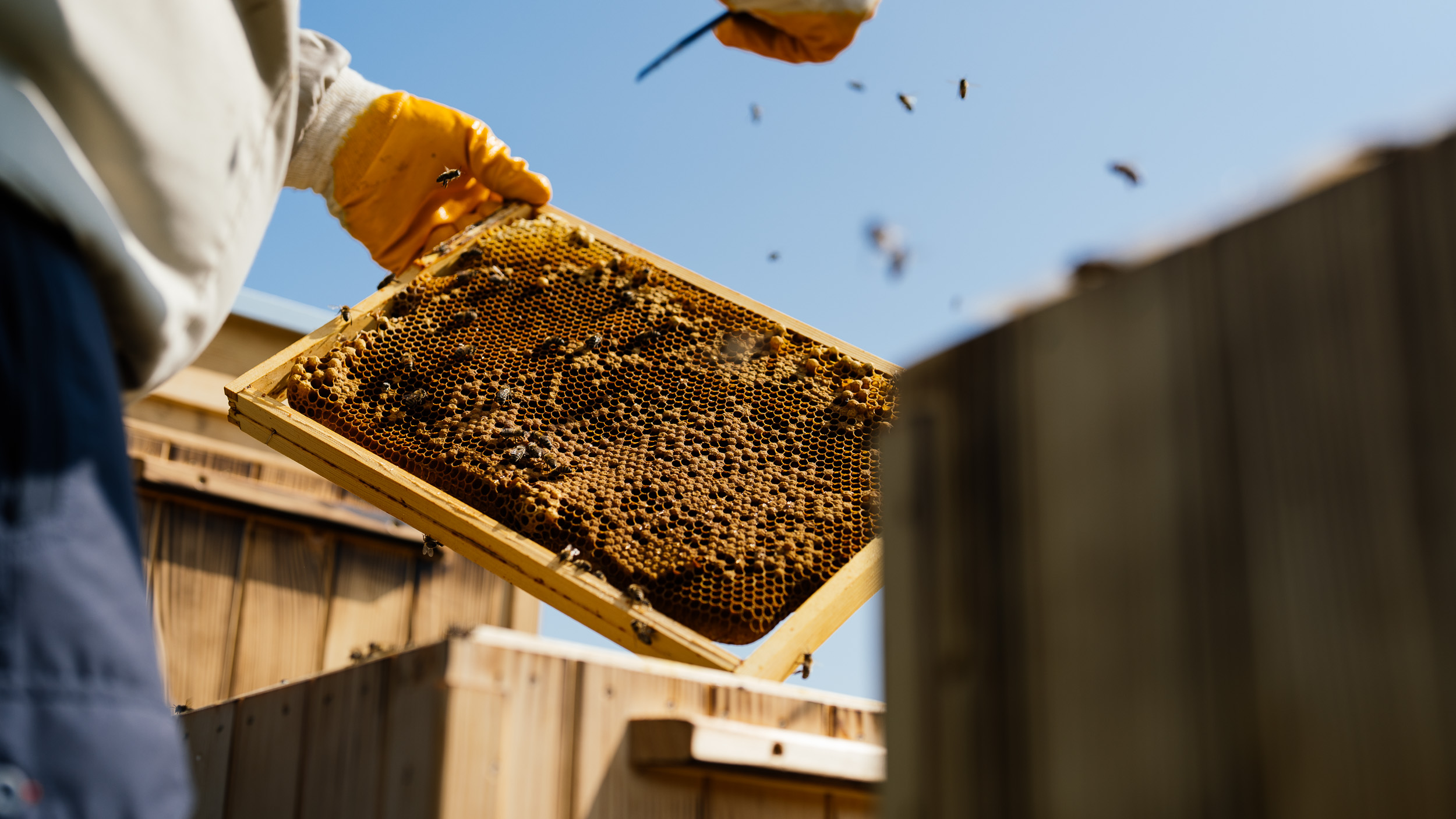
Harvesting requires proper equipment and protective clothing for the beekeeper and the bees. The beekeeper uses a smoker to calm the bees and reduce aggression. Then they carefully remove frames with honeycomb from the hive and check whether the bees have capped them.
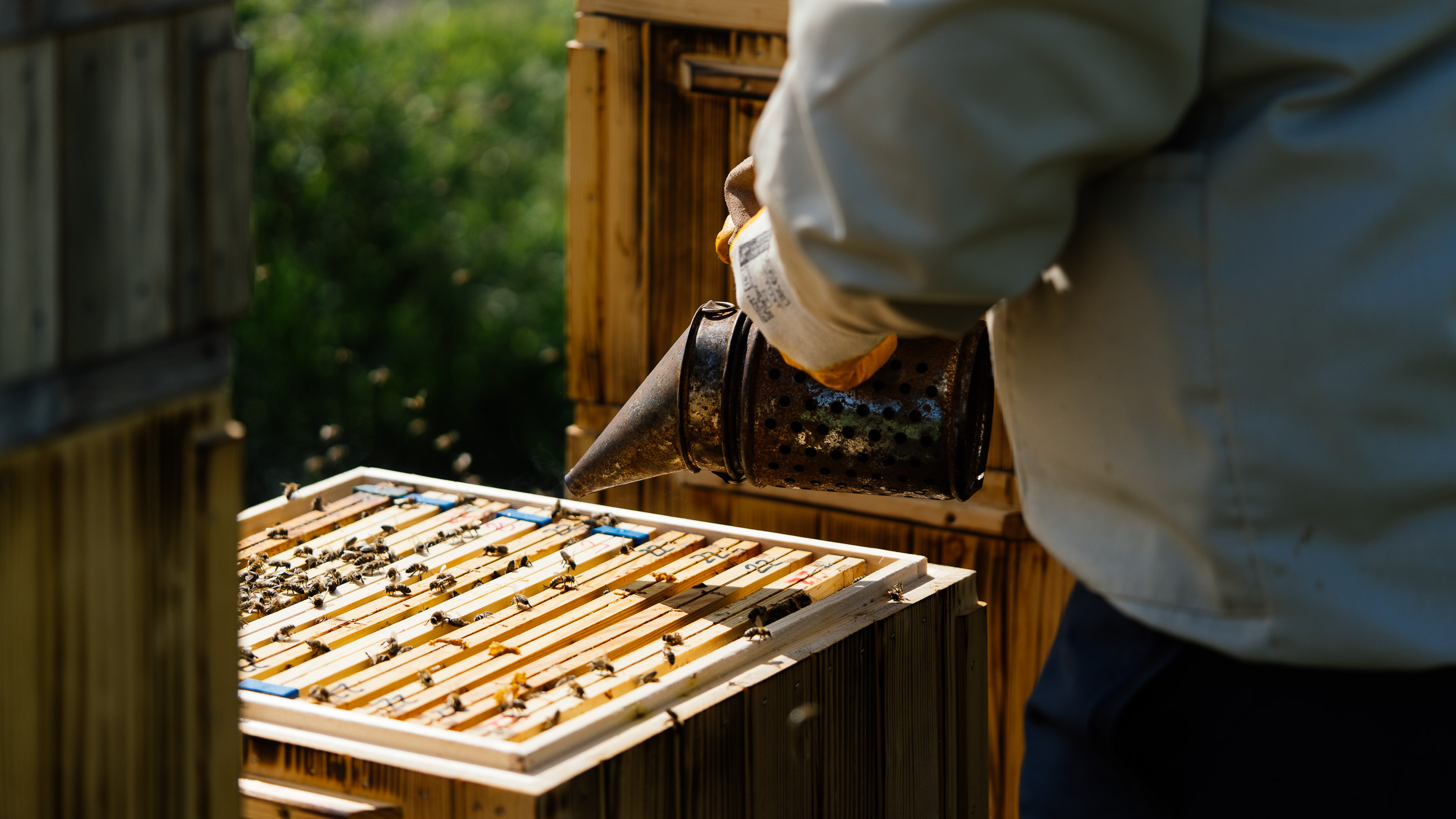
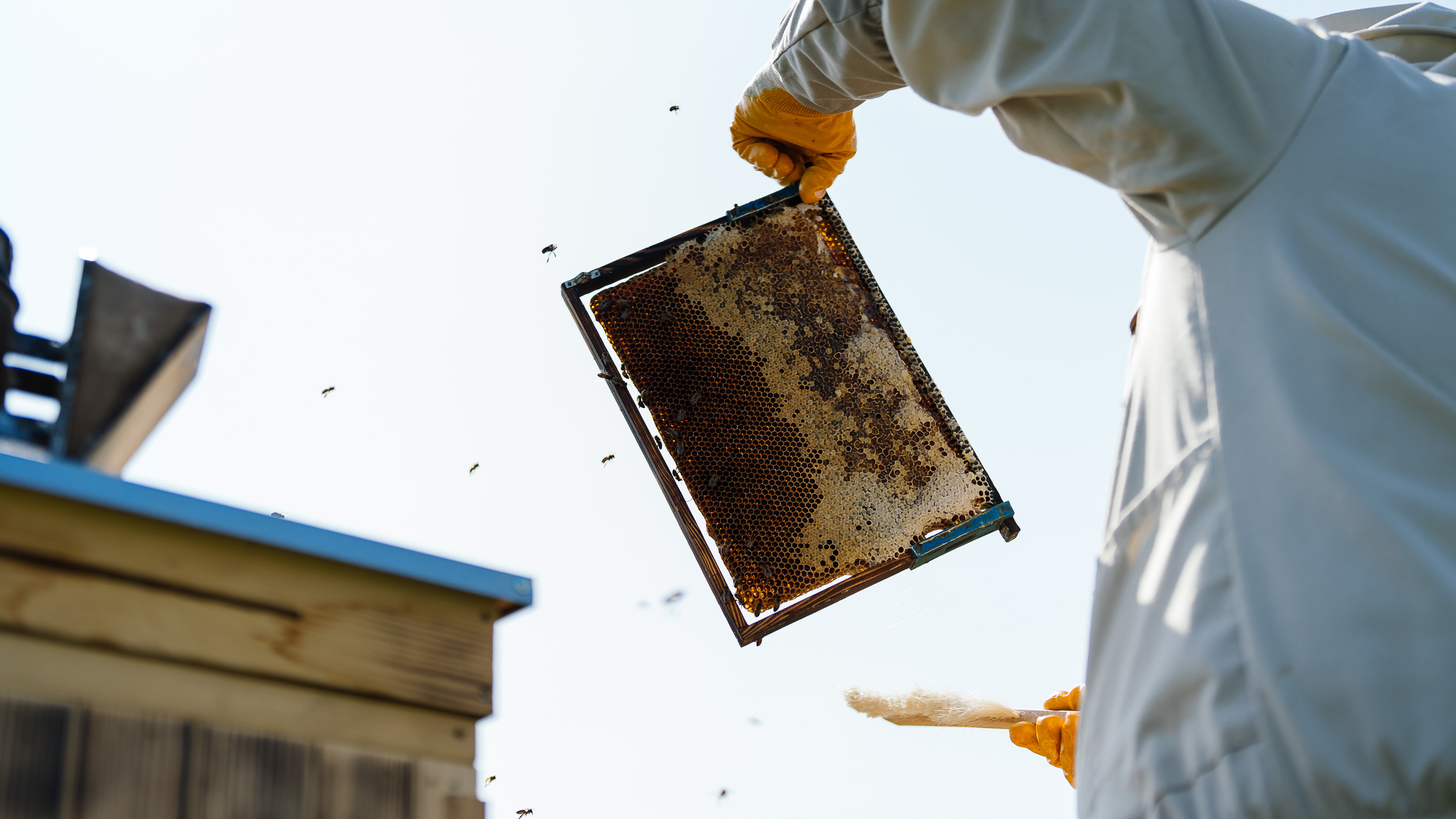
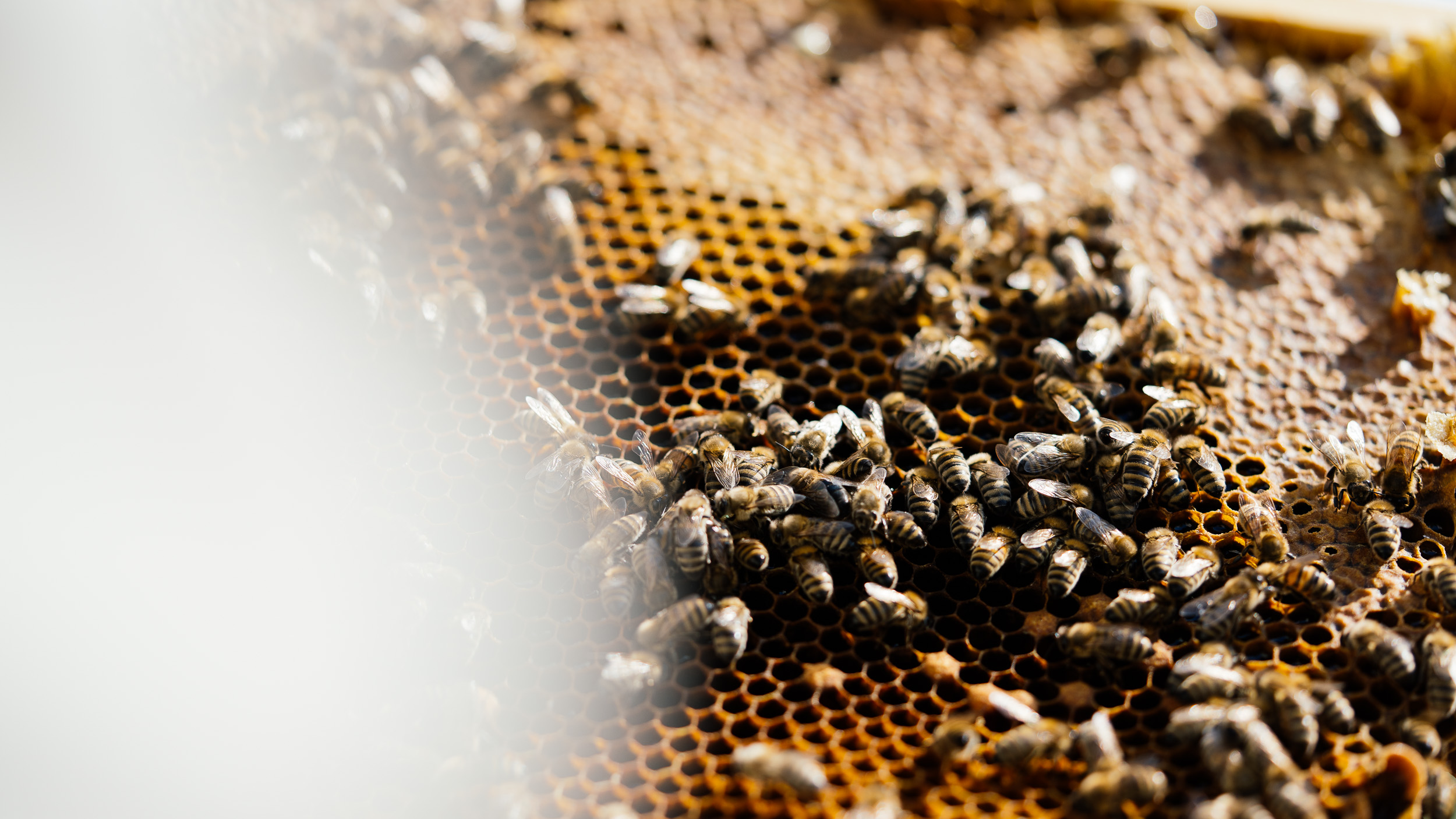
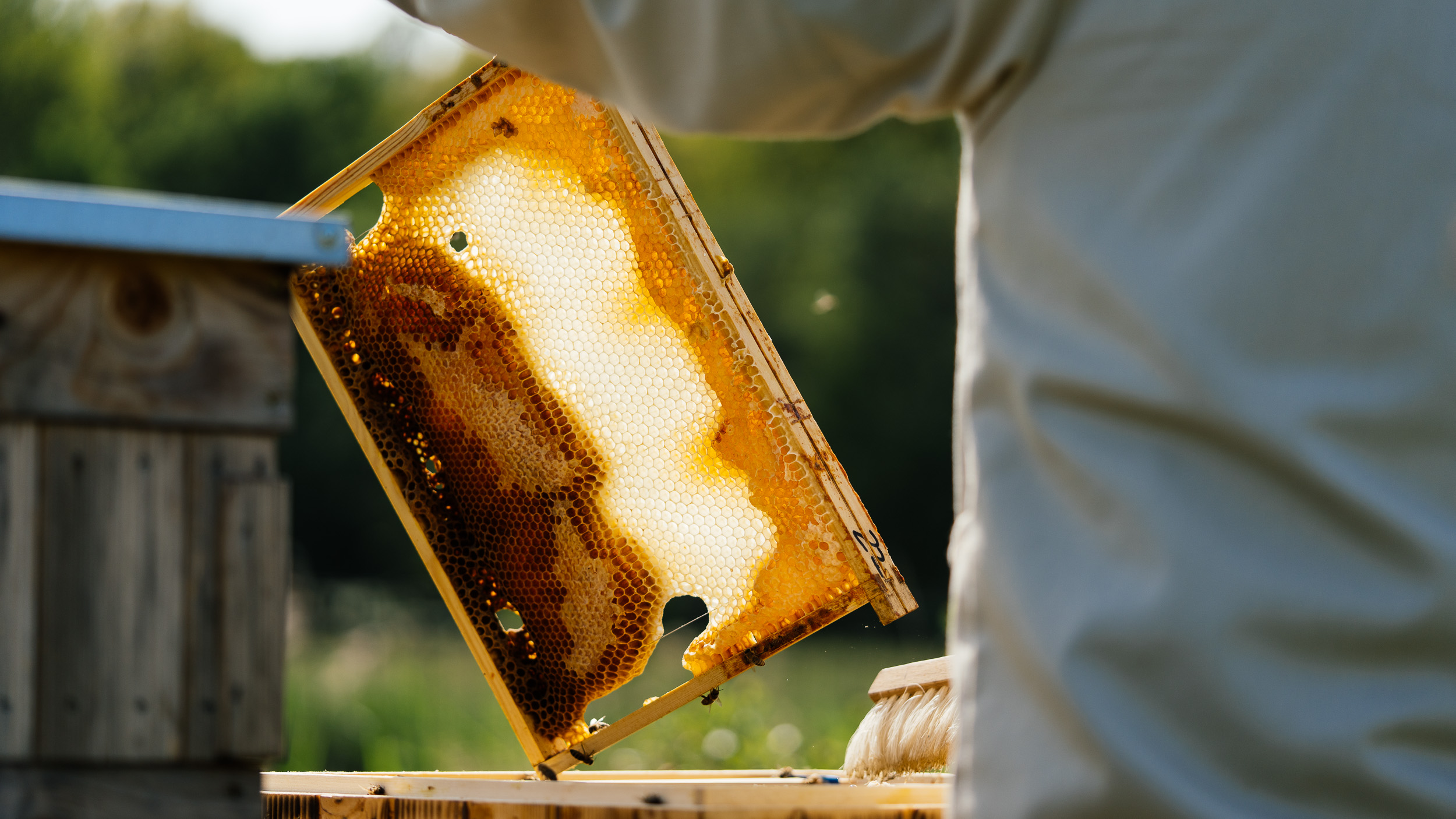
Capping is when bees cover comb cells with wax to protect honey from moisture loss and spoilage. Usually the beekeeper only collects frames capped at least 90%. Some frames may be partly capped or contain brood (bee larvae), so the beekeeper inspects them carefully and leaves them in the hive.
After removing frames, the beekeeper uncaps the wax seals so honey can be extracted — with a knife, fork, or uncapping roller. Frames go into a honey extractor, which spins fast and uses centrifugal force to pull honey from the comb. Honey collects at the bottom and flows out through a tap.
After extraction, the beekeeper filters honey through a sieve or cloth to remove impurities: comb pieces, wax, or dead bees. Then it's stored in clean jars or barrels, labelled with date and honey type. Honey keeps for years without losing quality.
Facts about hives, bees, and honey
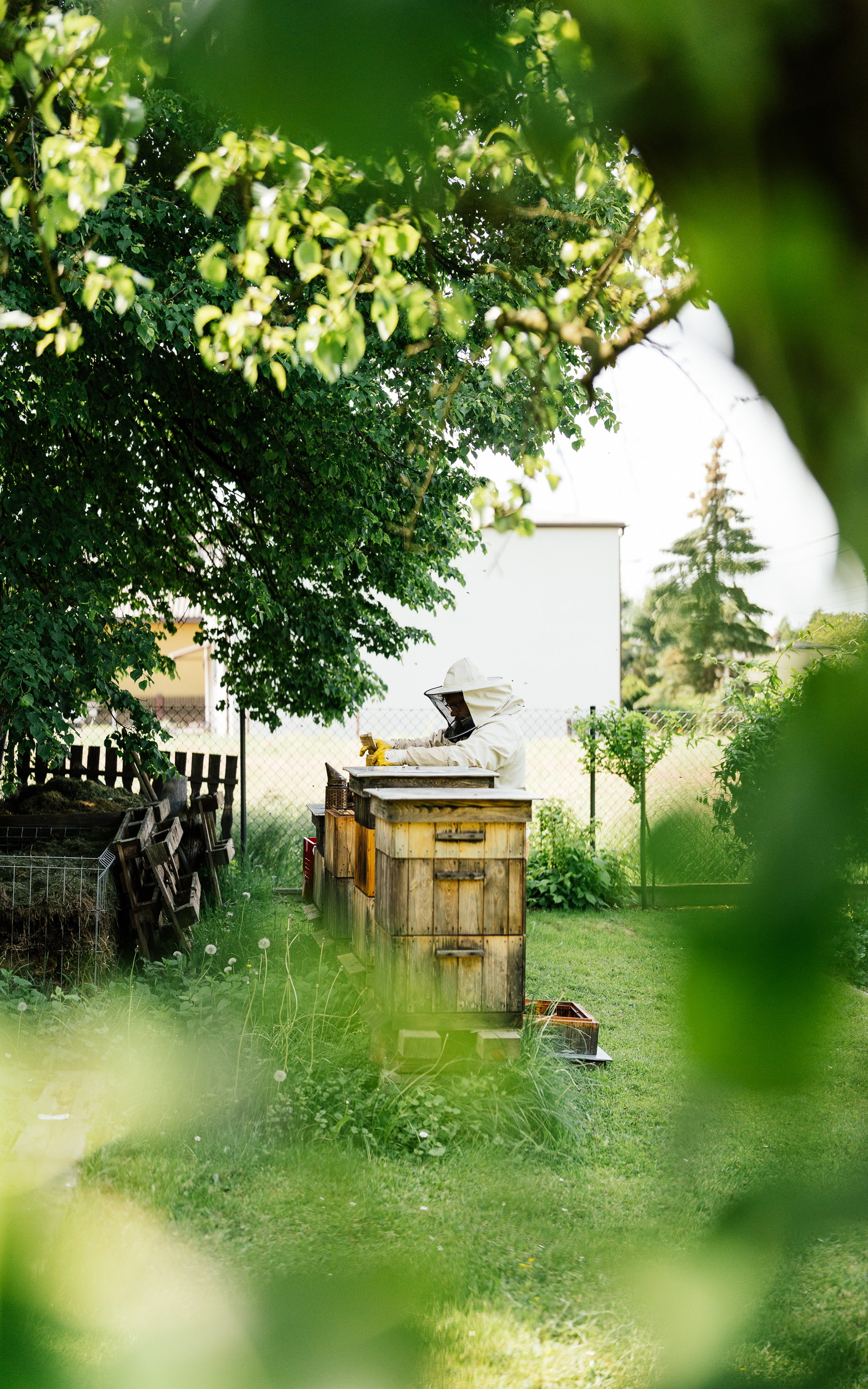
Honey harvest in Palowice is an extraordinary event that lets you step into the fascinating world of bees and honey. During the event I saw the popular Wielkopolska frames used by beekeepers to raise bees and collect honey. These frames make hive management easier and more efficient.
Hives — structures for raising bees — come in different shapes and sizes, depending on beekeeper preference and regional tradition. One of the most common is the Langstroth hive: rectangular boxes with movable frames where beekeepers store honey.
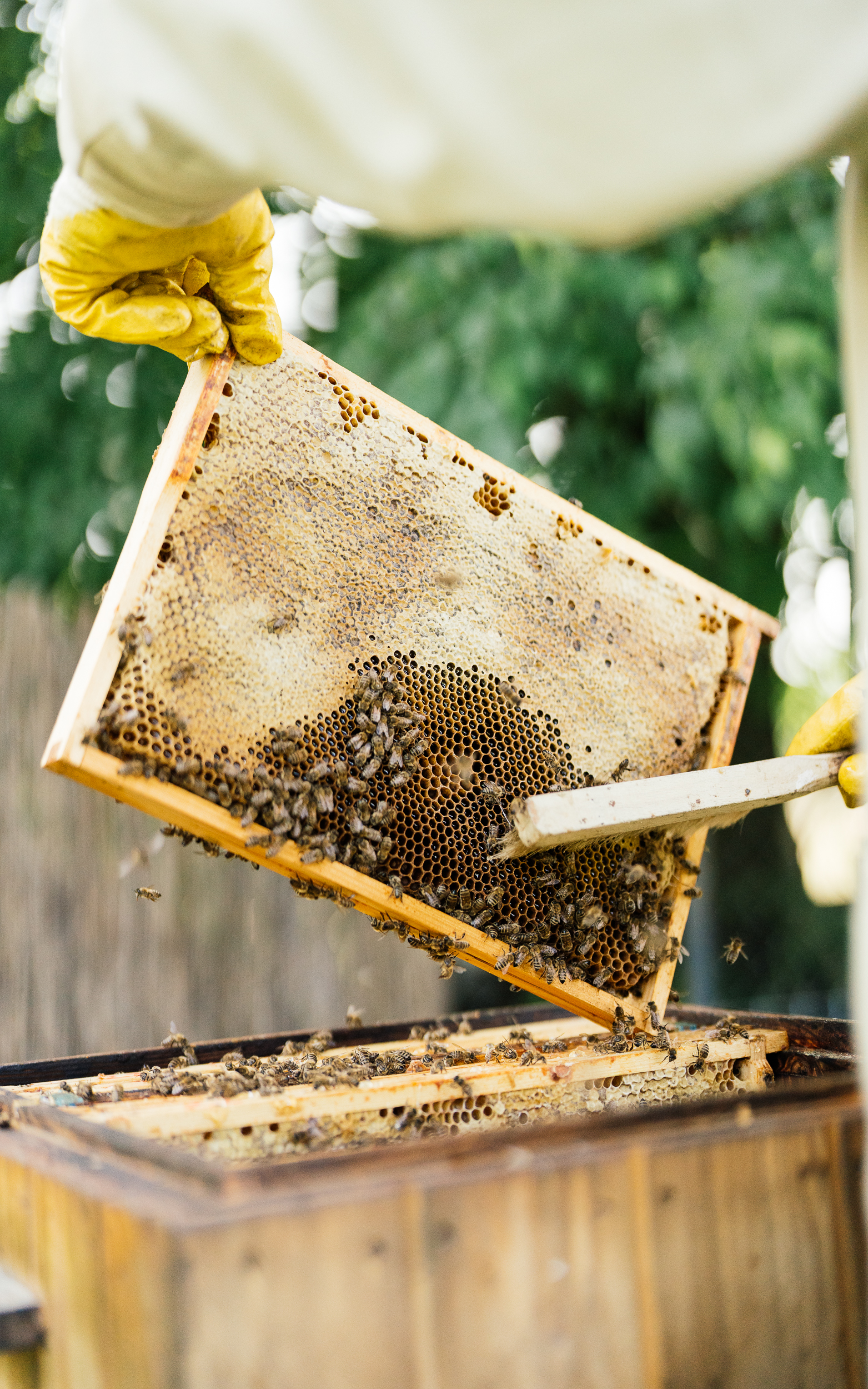
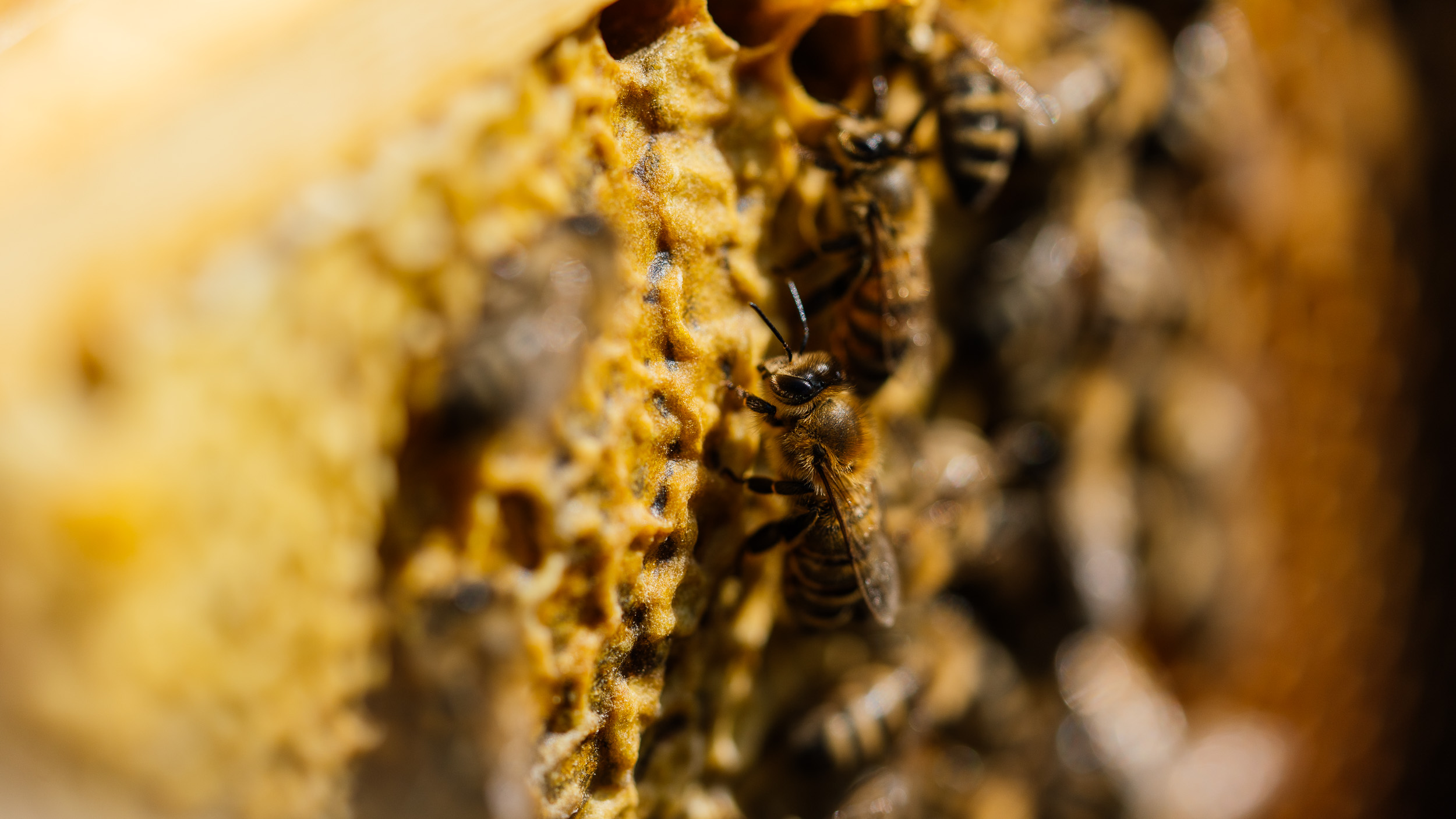
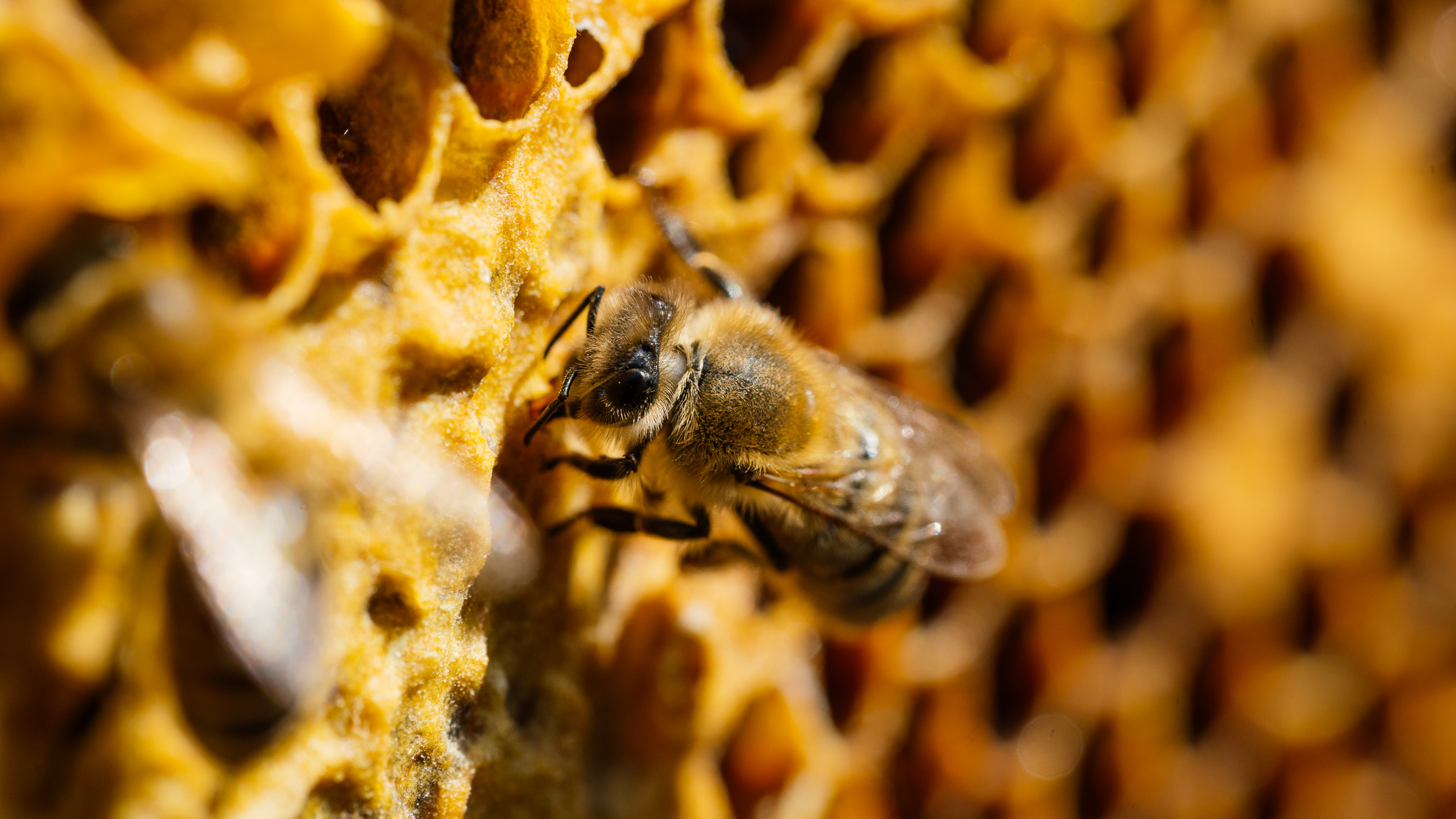
Bees are social insects living in colonies of a few thousand to tens of thousands. A colony has one queen, hundreds of drones, and many thousands of worker bees. Bees communicate through pheromones and movement — including the waggle dance that tells others where to find food.
Honey is the sweet result of bees turning plant nectar into food. Worker bees collect nectar and carry it in their honey stomach to the hive. They pass it to other workers, who add enzymes and place it in comb cells. Then bees fan their wings to evaporate excess moisture and thicken the honey until it's stable and ready to eat.
Honey harvest in Palowice doesn't just let you admire this remarkable work — it reminds us how vital bees are to our ecosystem and food production. Their pollination gives us crop diversity; the taste and health benefits of honey are the fruit of their constant labour.
Honey — a sweet path to health and beauty
In a world where most food is industrially processed, it's worth appreciating craft honey. It's an exceptional product born from careful bee work and hand-harvested by experienced beekeepers. Here are a few reasons to reach for craft honey.
Freshness and authenticity
Craft honey is made in smaller batches, so beekeepers have more control over quality. Craft apiaries are often in natural areas, away from pollution and intensive farming — which means exceptional freshness and purity. You can be sure you're getting authentic honey with no additives or artificial substances.
Rich flavour and aroma
Craft honey often comes from small apiaries where bees gather nectar from varied plants. That usually means more complex flavour and aroma than industrial honey from a single nectar source. You get subtle floral, fruity, or herbal notes that give craft honey its character.
Health benefits
Craft honey isn't just delicious — it's full of nutrients. It contains natural enzymes, minerals, vitamins, and antioxidants that support health and wellbeing. The variety of plants bees visit affects the nutrients in the jar. That's why this honey is worth choosing for the full range of benefits nature offers.
Supporting local beekeepers
Buying craft honey supports local beekeepers and small farms. Craft apiaries are often run by people who care about bees and the ecosystem. Your support helps protect bees and their role in pollination — crucial for natural balance.
Craft honey is a true treasure of nature: unique taste and aroma, plus real health benefits. Its freshness, authenticity, nutrient richness, and support for local beekeepers make it worth choosing. Let craft honey win you over and enjoy everything that makes it an essential part of a healthy, flavourful diet.